

How auction estimates and starting bids are set
How House of Bid and auction houses generally set a starting bid using comparable sales, condition, and demand, and why the market decides from there.
Read the guideHouse of Bid
Photograph the room. We name the lot. Estate is $199 once for a family sale at one address. Yard is $79 once for a driveway catalog (proposed). Repeating auction businesses request an invitation — we email the rate card after approval. The fee is the house tools in the app, not a listing-board host fee.
Families
$199once
1 timed sale · 500 unique verified bidders included · $20 / 1,000 extra hosting (cap $100) · 250 lots · ~30 days live · 250 Lot Identify lookups · bidder CRM · reminders from the app · dock scheduling · pickup QR · bound to one address · at most 3 / year without support
Event is cheaper because it is for people settling an estate or selling a property after a loss — not for a running auction business. They should not have to pay a house retainer on top of that. The price is the help. It is not a loophole.
List an estateHouseholds
$79once
Proposed
1 timed sale · 150 unique · 40 lots · 7 days live · 40 Lot Identify lookups · one address · at most 4 / year
Yard is a driveway catalog, not a house walk. They can self-serve. Estate $199 is the help SKU when the whole house has to be listed.
List a yard saleAuction businesses
Rate card after approval
Repeating houses apply for an invitation. If we approve, we email the Managed House prices — not a public signup. Families stay on Event and Yard.
A repeating house is not Event. Event is help for a family settling one address — at most three a year.
Request invitationA picture of the property itself — the house, yard, or building being sold. Not a stock photo.
Estate information is entered in our app. A dealer catalog dump or a second site is not Event.
The Event is registered to that address.
A person we pay out gives a W-9 tax ID (Social Security number or EIN). The yearly Event limit follows that tax ID, even if they open a new account.
In the app
You are not paying us only to host a bid. The fee is access to the house tools in the app: bidder CRM, reminders we send, dock scheduling, and pickup QR.
Creytix CRM in the house — import, remind, and keep repeat paddles on the same pipeline board. Reminders are a CRM job, not a second Mailchimp bill.
Preview morning, close-eve, and pickup-morning nudges go out from House of Bid to the people on that sale. Copy is wired now; live SMTP stays gated until ops clears send.
Creytix Scheduling in the app: winners pick a weekend window; staff see the same appointment at the dock — not a spreadsheet after the clock.
Paid invoices get a pass with a QR at the dock. Sell pieces get a sticker QR on the walk so the photo becomes a lot.
Local · proposed
Marketplace pickup with a timer — neighbors bid instead of messaging. Facebook Marketplace local pickup and most Craigslist by-owner posts are $0 when you meet in person — we mirror that for listing, cash, and Zelle. Neighbor stays free so the city board can grow.
House card is 5% plus payment processing. For higher hammers, pay with Zelle or cash so you keep the sale instead of losing it to fees. Card sticker: 5% + payment processing.
First 5 listings free · then stay free at up to 3 live lots · 30-day clock · pickup only · no percent of hammer
$19 / month proposed · unlimited live lots · one bump a week · shop name on the city board · still no percent of hammer
Register to bid
Free AlignAlgo membership to see Marketplace listings. House fee still applies on a win.
Estate and yard sales · House invitation · Find a company · Guides · How it works
For auction businesses
Tell us how your sales actually run — how many a month, what you sell, and whether you have a website. We email the fee structure the same day: flat monthly, a printed ceiling on overages, never a percent of your hammer. Account review takes 24 to 48 hours.
No website? That is fine — we host one, build you one, or license the platform under your own brand.
What things are worth
How House of Bid and auction houses generally set a starting bid using comparable sales, condition, and demand, and why the market decides from there.
Read the guide
Start bid is the opening ask. Standing bid is the live market. Typical sold ranges on Sell are comps helpers, not appraisals.
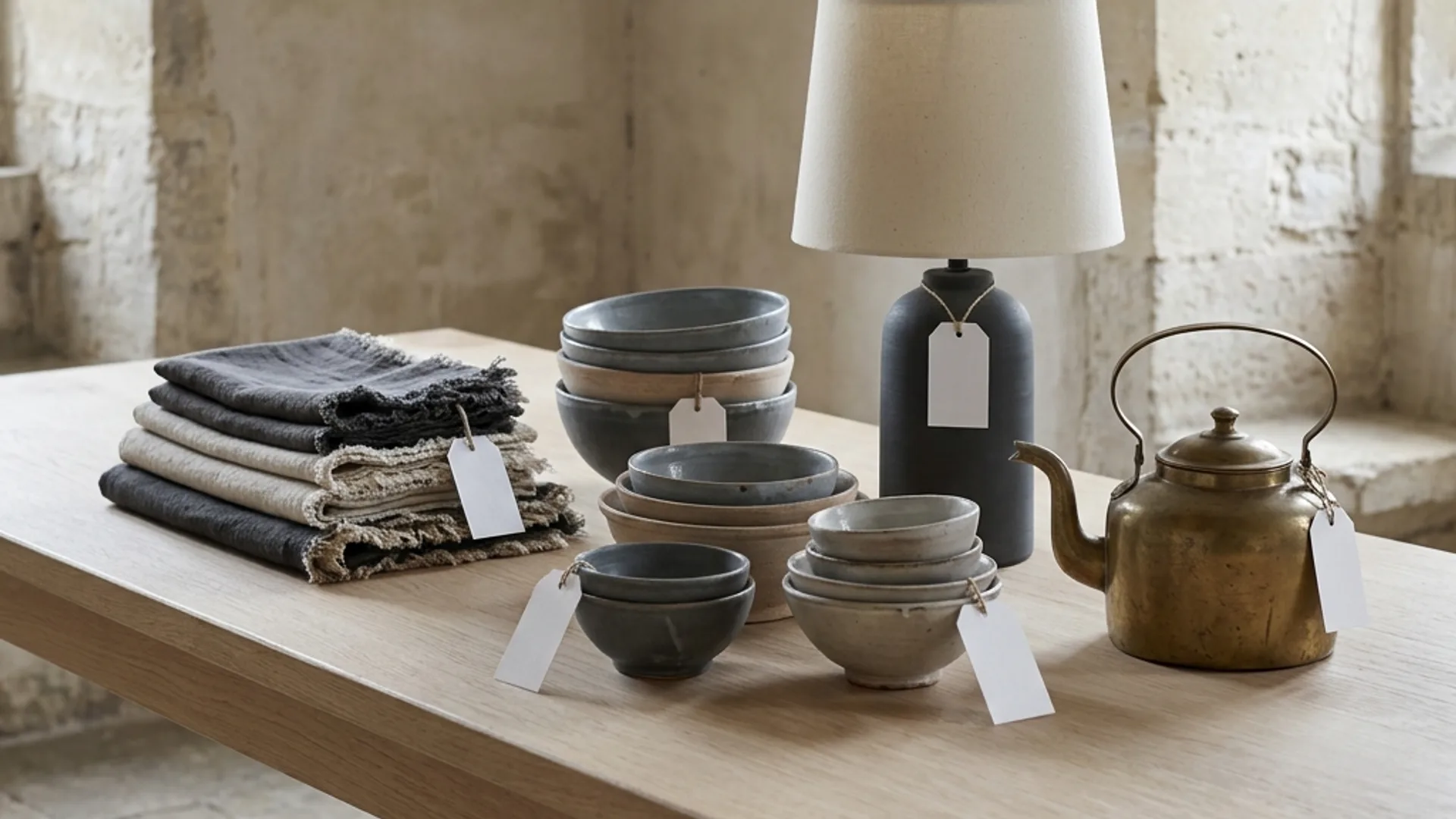
A short questionnaire recommends a clock plan. Host minimums and leftover asks stay below typical sold low. Same tools for estate families and other housed sellers.

Families list one estate on published prices. Repeating auction businesses apply, answer a short questionnaire, get the fee structure the same day, and book a call.
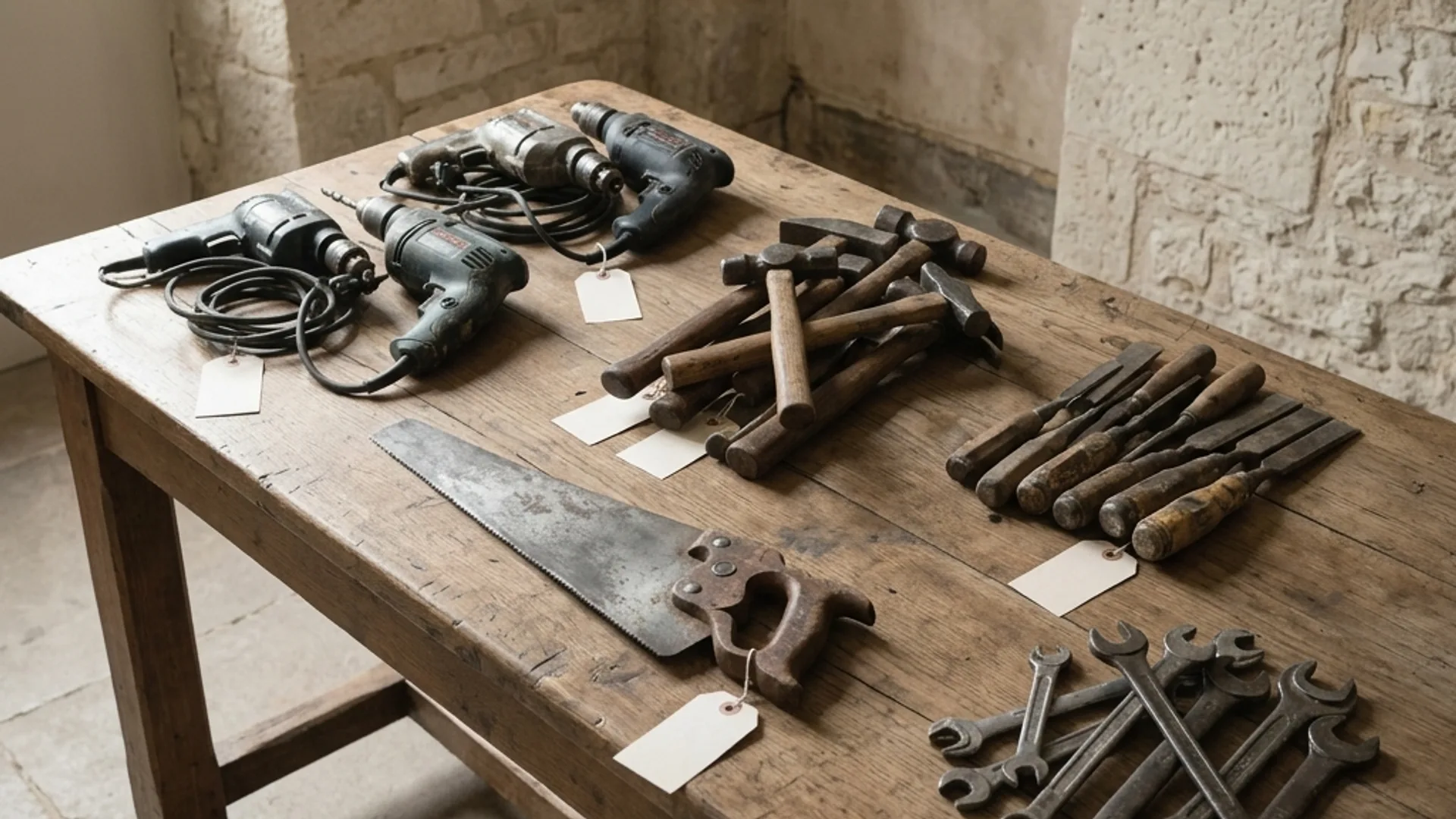
Buying to resell is a margin business. Where the money actually is, what kills a flip, and how to price the work you are about to do.