
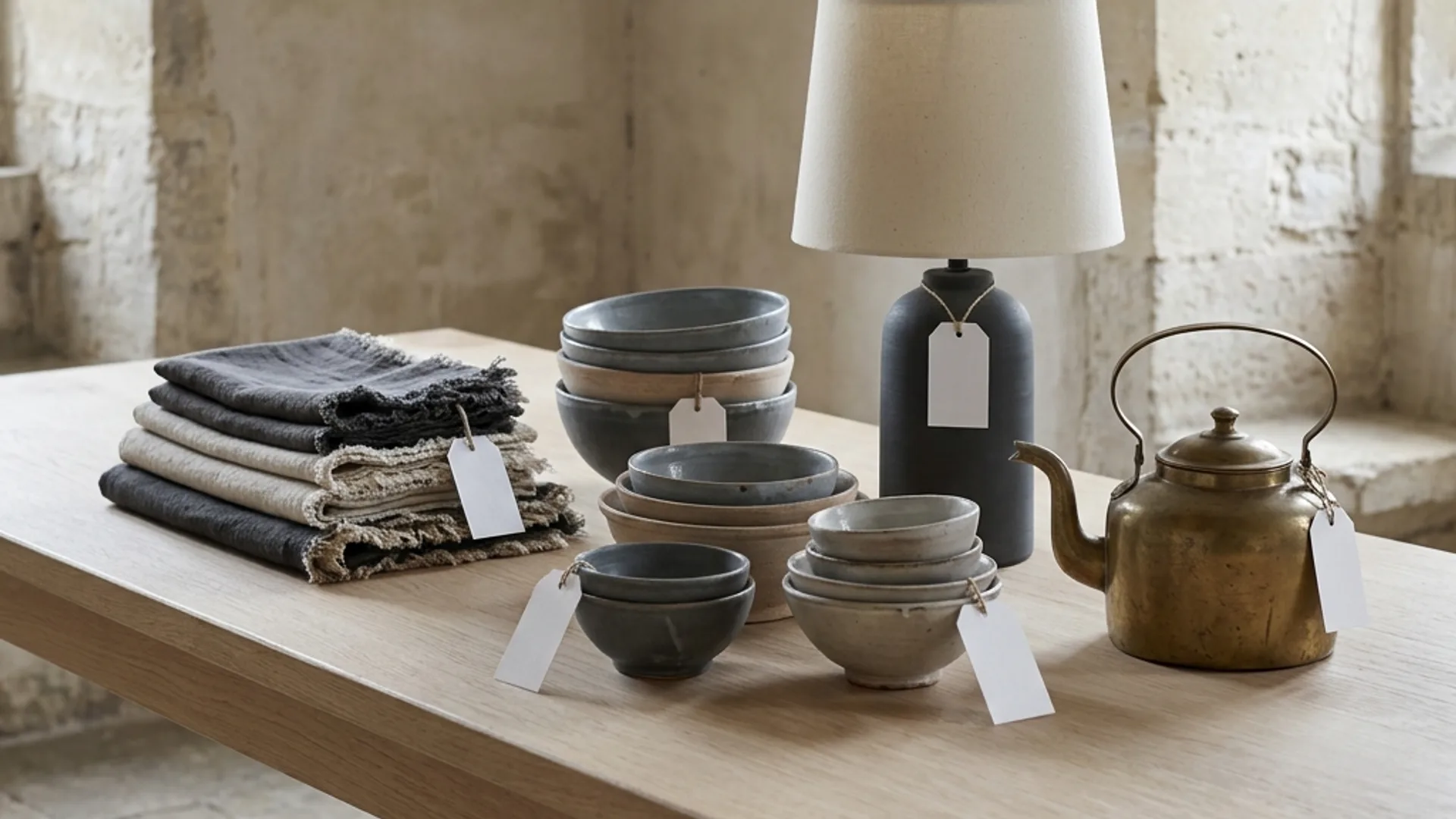
How to become a seller on House of Bid
Families list one estate on published prices. Repeating auction businesses apply, answer a short questionnaire, get the fee structure the same day, and book a call.
Read the guideFor auction businesses
House of Bid is an auction house that also rents out the machinery. Auction houses, estate sale companies, liquidators, dealers, galleries, and surplus sellers all work with us — some run their sales on our roof, some run our stack under their own brand, and some hire us to build the website. Bidders keep one paddle across every house.
Families settling one address do not belong on this page — one-off estate and yard sales have published prices and their own room-by-room walk: Pricing and Sell.
01 · Repeating auction houses, dealers, surplus and salvage sellers, galleries.
You stay an independent auction house. Your name, your consignors, your buyer list, your brand mark on your sale pages. We bring the clock, the catalog software, the paddles, the invoices, and the pickup. Your house appears on Auction houses, and every registered bidder on House of Bid can bid your lots without signing up again.
Managed House is a monthly rate, not a cut of your hammer. Repeating houses request an invitation; we review the house and email the rate card after approval.
02 · In-home estate sale companies and liquidators.
Families who do not want to run the sale themselves hire a company. List yours and they can find you here. Companies that photograph lots in the rooms can also run the timed catalog on House of Bid instead of a paper tag sale — the same clock the auction houses use.
Listing review is free. Running a catalog uses the same house or event pricing as any other seller.
03 · Houses that already run auctions for other companies.
If your business is running sales for other sellers, you need sub-houses, not a single catalog. Each seller gets their own storefront, their own consignor reporting, and their own settlement, all under your platform. This is a multi-tenant plan, not the same thing as a white-label license.
Monthly platform plan. Quoted on a call once we know how many sellers you run.
04 · Companies that want the auction platform under their own brand only.
A white-label license puts the whole auction stack on your domain, in your colors, with your name on every screen a bidder sees. It is a flat software license plus a first-year implementation — no revenue share, no percent of hammer, and no required monthly subscription after that. Different product from running sales on our roof, and different from hosting other sellers.
Flat license plus first-year implementation, invoiced as separate lines. No revenue share. Maintenance from year two is optional. Numbers are quoted on a call, not published.
05 · Auction businesses with no site, or a site that cannot take a bid.
House of Bid runs on Creytix, and Creytix builds the rest of the business too: the marketing site, SEO and AI visibility, business mail on your domain, CRM, e-signature for consignment agreements, invoicing, and reviews. Plenty of houses come to us with a catalog on somebody else's marketplace and no website of their own. We design and build the site, wire the auction engine into it, and run it.
Launch is a one-time project fee, then a monthly plan for the site and the stack. Scoped on a call.
Under every path
Proxy bids, staggered closes, and extend-on-bid. Bidders bid from a phone browser — no app install required.
A paddle registered on any house works on every house on the roof. New houses do not start their buyer list at zero.
Buyer invoices, card, ACH, and cash. The card schedule is printed on day one and does not change after the sale.
Dock windows for warehouse sales, front-of-house staging and QR passes for estates. Staff fetch by tag; buyers do not walk the house.
Crew upload from a phone in the room. Photograph in place, tag the lot, publish for preview.
Your sale pages are indexed and structured for search and for AI answers, not buried inside a marketplace search box.
Straight answers
On the roof today
We list real houses only — never a blurred placeholder logo. San Diego is first, and seats are open.
Questions
Why run your sales here
Never a percent of hammer
A $20,000 sale and a $2,000 sale cost the same to run. Overages are named, bounded, and shown before they bill — nothing auto-upgrades you mid-week.
See howYour payment account
House-owned payment account by default. Processor fees are pass-through at a schedule printed on day one. We are the software and the operations under your sale, not a middleman on your settlement.
See howWe run the sale, not the listing
Catalog software, paddle registration, bidder CRM, invoices, settlement, and pickup operations. Listing boards charge you to advertise a sale you still have to run yourself.
See howYour name stays on it
Your company name, your consignors, your buyer list, your brand on your sale pages. Or license the whole platform under your own domain with no House of Bid branding at all.
See howFor auction businesses
Tell us how your sales actually run — how many a month, what you sell, and whether you have a website. We email the fee structure the same day: flat monthly, a printed ceiling on overages, never a percent of your hammer. Account review takes 24 to 48 hours.
No website? That is fine — we host one, build you one, or license the platform under your own brand.
Running a house
Families list one estate on published prices. Repeating auction businesses apply, answer a short questionnaire, get the fee structure the same day, and book a call.
Read the guide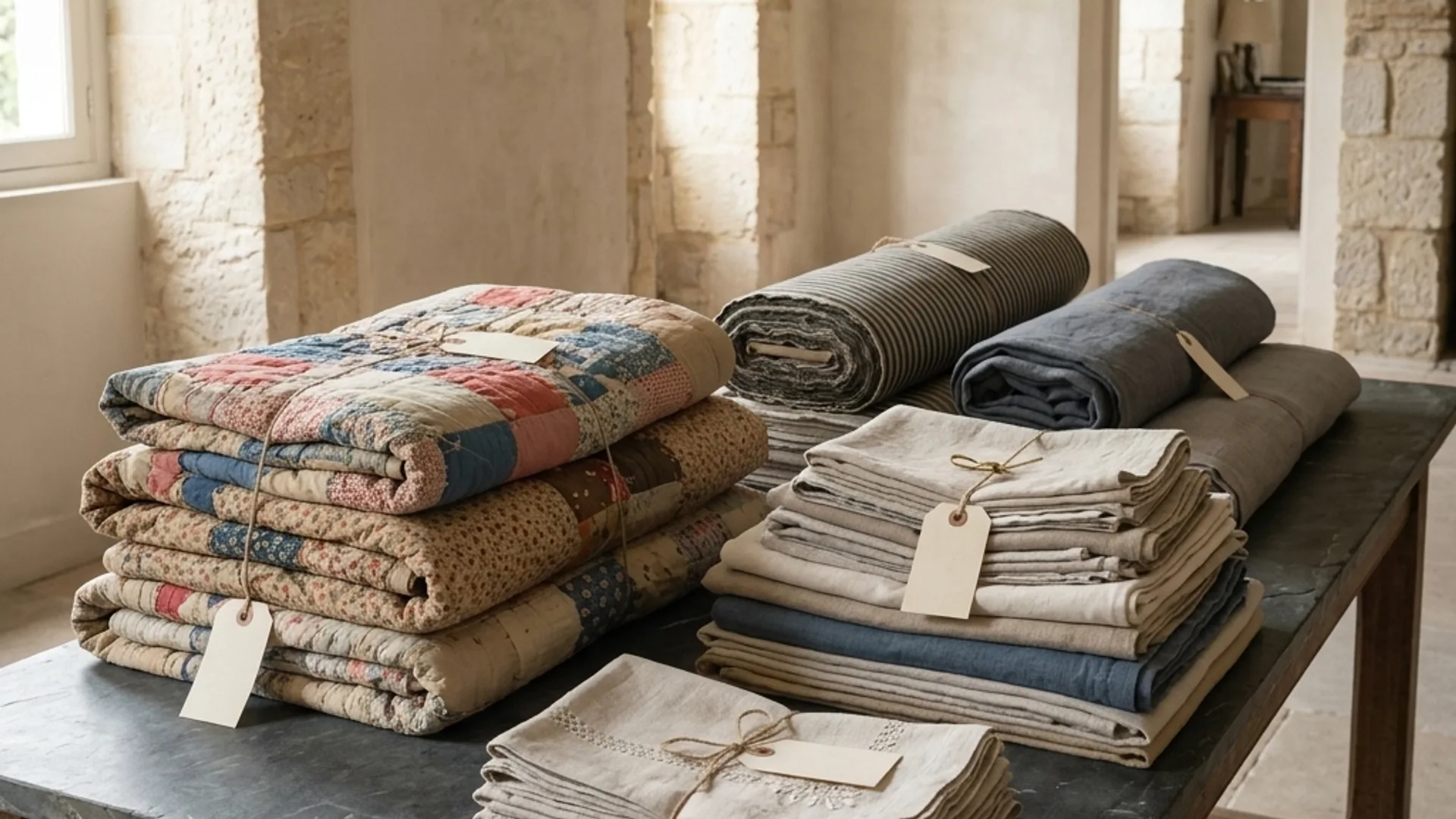
A short questionnaire recommends a clock plan. Host minimums and leftover asks stay below typical sold low. Same tools for estate families and other housed sellers.
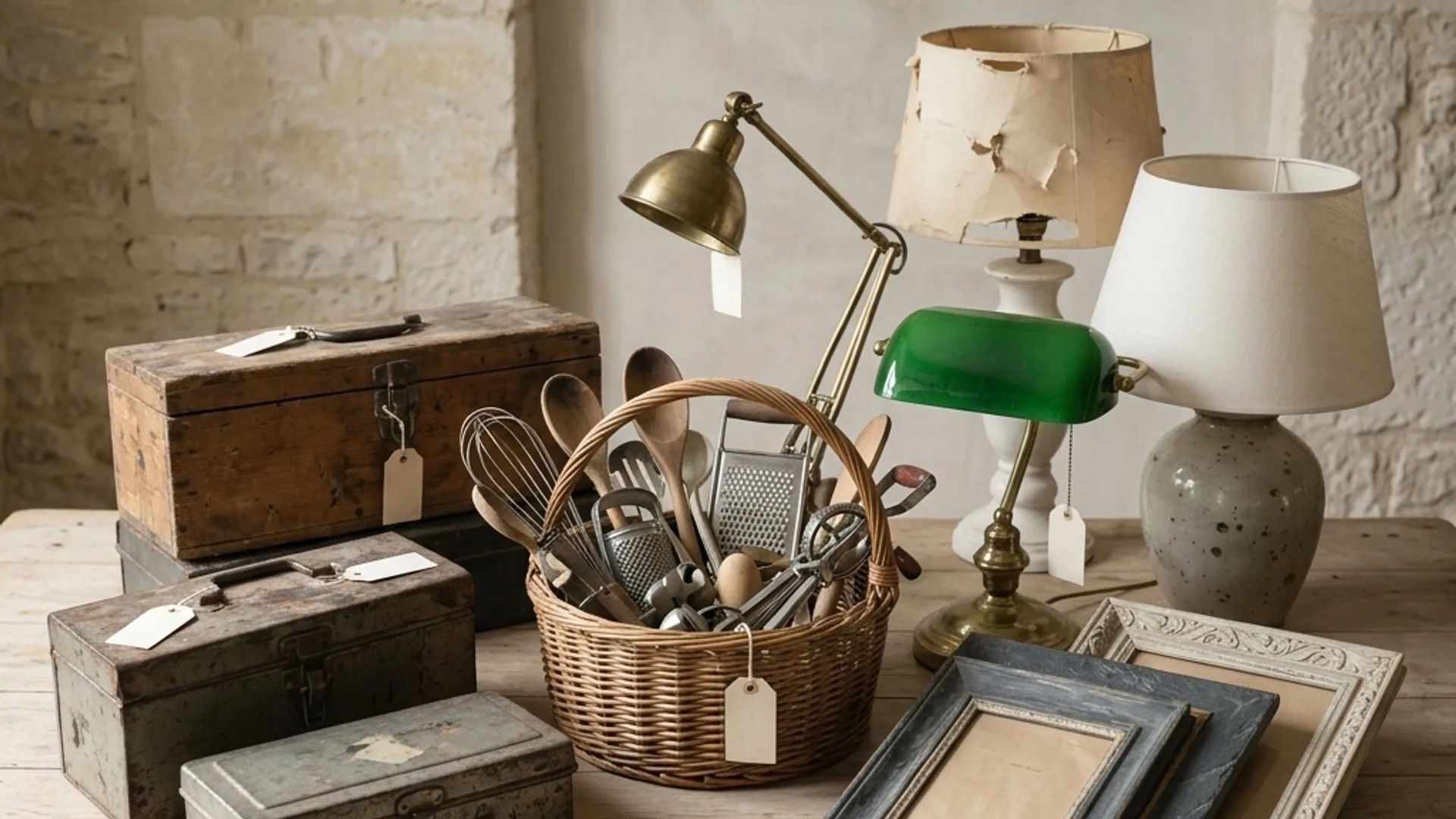
Buying to resell is a margin business. Where the money actually is, what kills a flip, and how to price the work you are about to do.
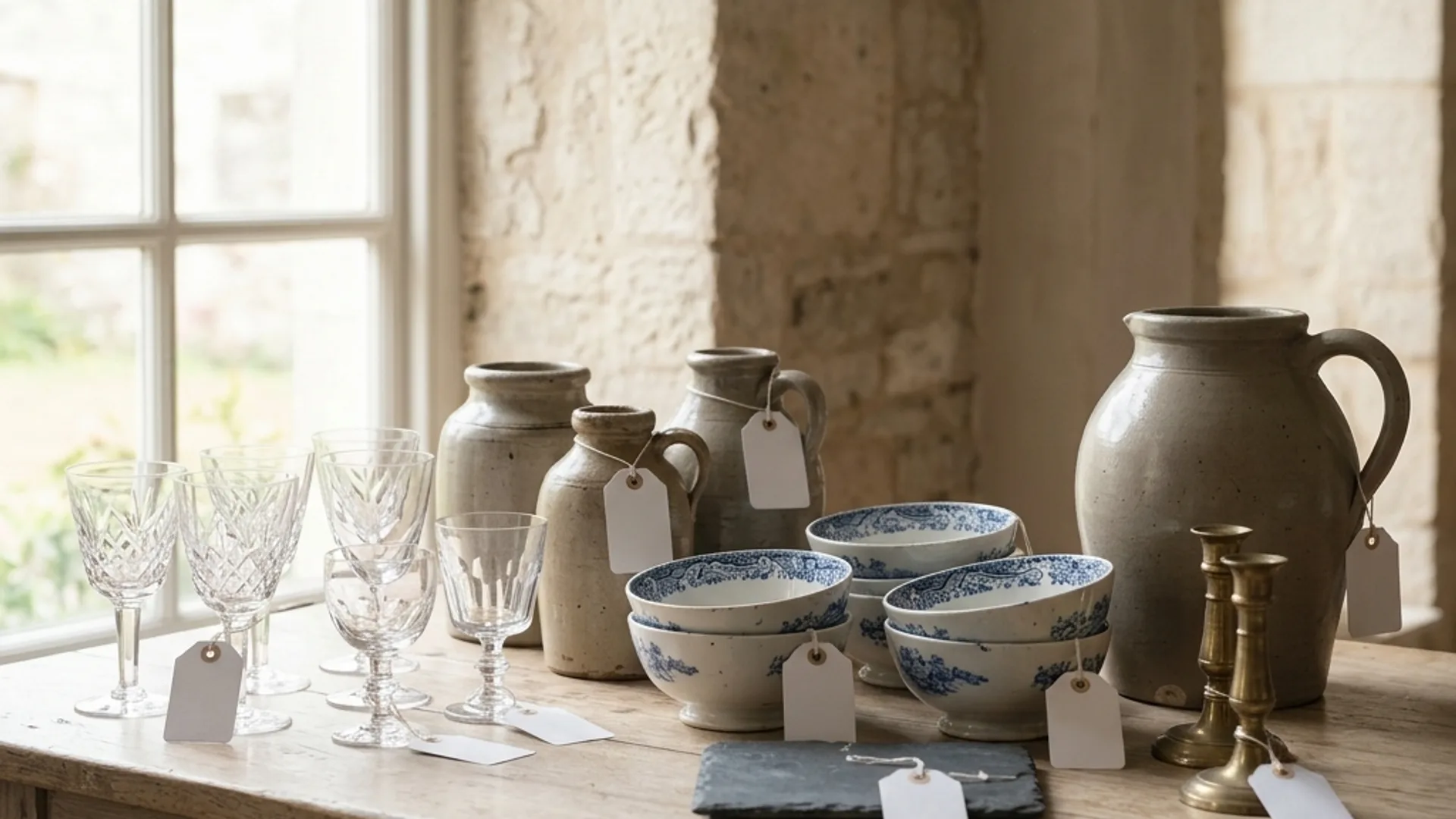
Titles and photos must match the piece. Counterfeits, recalled goods, and policy violations are removed — fees may be forfeited.
How House of Bid and auction houses generally set a starting bid using comparable sales, condition, and demand, and why the market decides from there.